Should You Renew the Lease? A Smarter Approach for Charlotte Rental Owners
August 24, 2026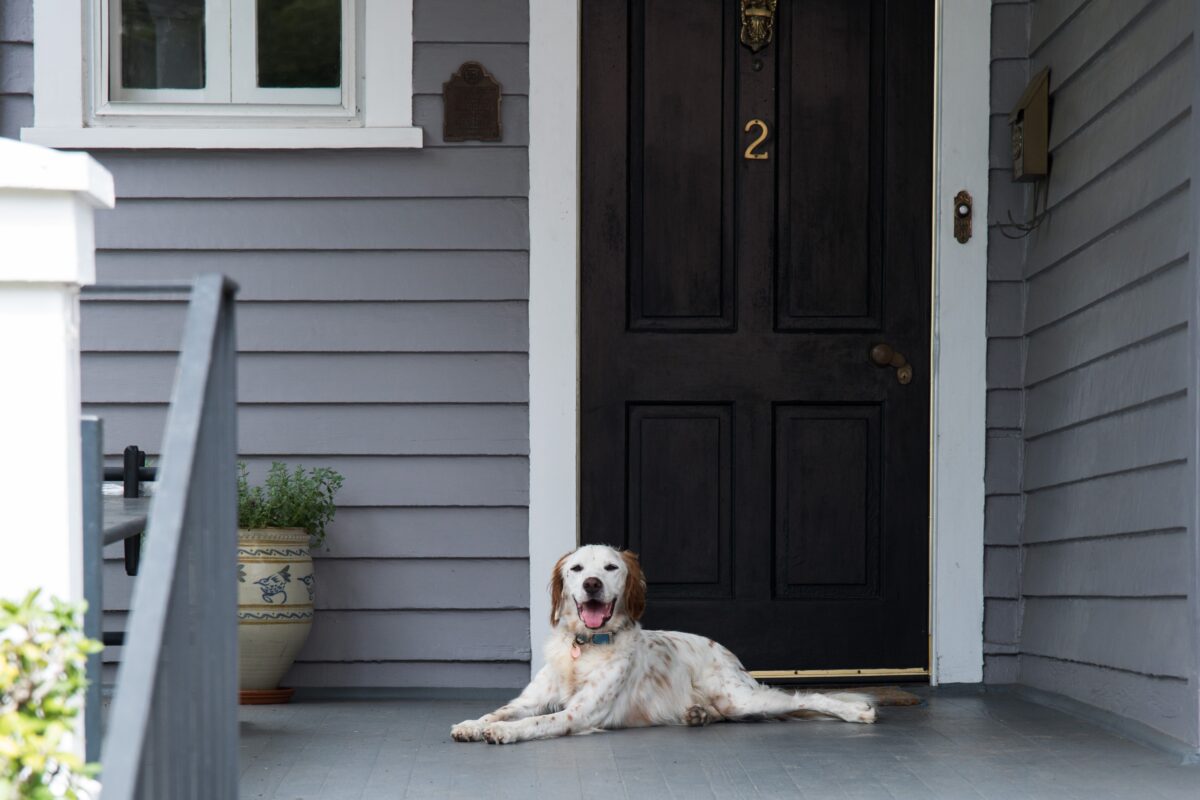
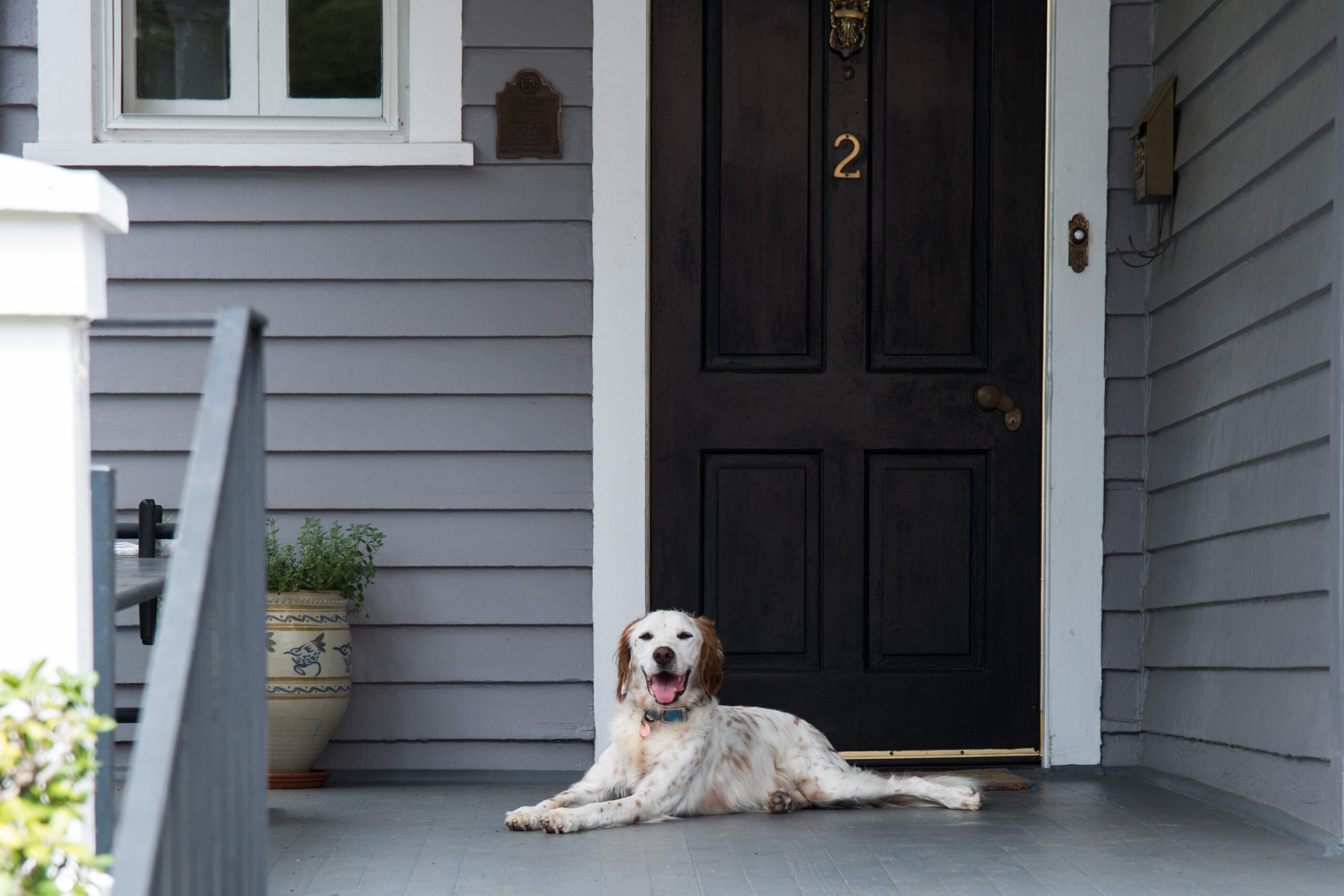
Pets are part of the family for many renters. That creates a key choice for Charlotte rental owners: should your property welcome them? A pet-friendly policy may widen your tenant pool and support longer stays, but it should be backed by clear terms and sound oversight.
Can allowing pets help attract more renters?
Yes. Many renters search only for homes that accept pets. If your property does not, those applicants may pass over the listing before they see its best features.
A pet-friendly home can stand out in a busy market. It may also help owners attract high-quality tenants who want a stable place to live with their animals.
Pet owners may be more likely to renew when they find a well-kept home that fits their needs. Moving with an animal can be hard, so a good rental experience may lead to a longer tenancy. Longer stays can mean fewer vacancies and less turnover work for the owner.
A clear pet policy can protect the home while helping responsible renters feel welcome from the start.
What risks should property owners consider?
Pets can cause extra wear. Floors may be scratched, yards may be damaged, and odors may need added cleaning after move-out. Noise can also lead to complaints if expectations are unclear.
These risks do not mean every owner should reject pets. They show why each property needs a written policy. The lease should explain which animals are allowed and what care the tenant must provide. It should also state how pet-related damage will be handled.
Owners should review their insurance coverage before approving an animal. Some policies may contain limits tied to animal type or history. A property manager can help owners ask the right questions before a lease is signed.
What should a strong pet policy cover?
The policy should define the approval process and list any lawful charges. It should require tenants to follow local rules, prevent ongoing noise, and clean up after their pets.
Screening should be consistent. Owners may ask for basic facts about a pet, such as age or vaccination status, when allowed by law. Written records help keep each decision clear.
Skilled rental property management can make this process easier. A manager can add the right lease terms, document approved pets, and respond if the policy is broken.
Are assistance animals treated like pets?
No. Assistance animals are tied to disability-related needs and may require a reasonable accommodation under fair housing law. A standard pet policy, pet fee, or breed rule may not apply in the same way.
Housing providers should follow current HUD guidance for assistance animals when reviewing a request. Owners should avoid quick assumptions; the rules can differ from those used for household pets.
A trained property manager can help route requests through a fair, consistent process while protecting private information.
Is a pet-friendly policy right for every rental?
No. The best choice depends on the property, insurance terms, and the owner’s goals. A home with durable floors and secure outdoor space may be easier to manage as pet-friendly. Another property may carry limits that make pets a poor fit.
Talley Properties can help Charlotte owners weigh the benefits and risks before setting a policy. With clear lease terms and steady oversight, owners can welcome responsible pet owners while guarding the value of their investment.
Frequently Asked Questions
Can a landlord charge a pet fee in North Carolina?
Landlords may be able to charge lawful pet-related fees under the lease. Owners should confirm that each charge follows current law and does not apply to an approved assistance animal.
Should every pet be approved before move-in?
Yes. The lease should require written approval for household pets. This gives the owner a record of the animal and the terms tied to its stay.
Can a property manager handle pet-related complaints?
Yes. A property manager can document the concern, review the lease, and contact the tenant. Fast, calm action may keep a small issue from growing.