
Who Handles the Headaches? A Guide to Rental Property Management
August 10, 2026
Should You Renew the Lease? A Smarter Approach for Charlotte Rental Owners
August 24, 2026
A loose shingle, slow drain, or weak HVAC system may seem minor; left unchecked, each can lead to a costly repair. Preventive rental maintenance helps owners catch wear early, protect property value, and give tenants a home that feels well cared for. With a clear plan, upkeep becomes easier to track and far less stressful.
What is preventive rental maintenance?
Preventive maintenance is planned care that takes place before a system breaks or damage spreads. It may include HVAC service, plumbing checks, roof reviews, gutter cleaning, and safety tests.
This work differs from an emergency repair. A scheduled heating check is preventive; a failed furnace on a cold night is urgent. Both matter, yet planned care gives owners more time to compare costs and arrange the right help.
Talley Properties shares added guidance in its rental property maintenance guide.
A small repair handled today can help prevent a large bill, a damaged home, and a frustrated tenant.
How can routine maintenance lower repair costs?
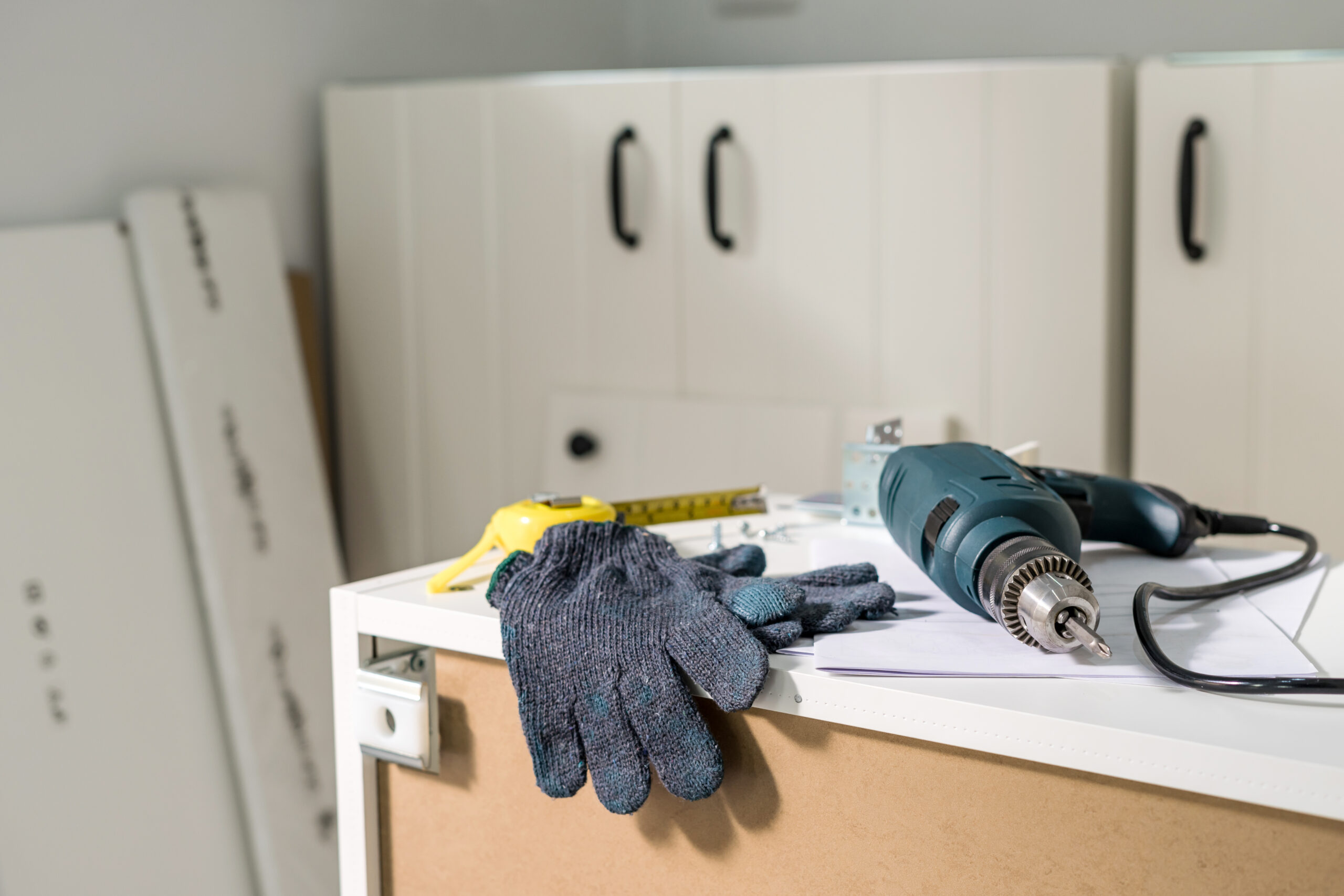
Small faults tend to grow. A worn pipe seal may become a leak; clogged gutters may send water toward the roof or foundation. Routine checks help find those issues while the fix is still simple.
Planned service may also extend the working life of key equipment. Clean HVAC filters ease strain on the system; sealed doors help indoor air stay stable. These steps can cut wear and reduce the risk of a sudden breakdown.
Good records matter too. Owners should track each service date, repair note, invoice, and warranty. A clear history helps spot repeat issues; it also supports sound choices when equipment needs to be repaired or replaced.
Can better maintenance help keep tenants longer?
Yes. Tenants want a safe, clean home and a prompt reply when something goes wrong. When owners fix concerns quickly, tenants can see that the property is managed with care.
Poor response times can harm trust. A tenant who waits weeks for a needed repair may be less likely to renew the lease. Fast, clear updates can ease stress, even when a part must be ordered or a vendor cannot arrive at once.
Property owners can review the most common tenant complaints to learn where proactive care may make the largest impact.
Why should moisture issues receive quick attention?
Water can cause damage fast. Leaks may harm floors, drywall, cabinets, or stored items. Damp areas may also allow mold to grow.
The Environmental Protection Agency’s mold and moisture guide advises fixing water problems and drying damp areas quickly. Tenants should know how to report leaks; owners need a process for prompt review.
Clear communication helps here. Tenants should share photos, note when the issue began, and explain where they see water. The manager can then judge the urgency and send the right vendor.
How does a property manager make maintenance easier?
A property manager can receive tenant requests, review the concern, contact vendors, and track the repair. Owners stay informed without having to manage each call.
An experienced team also knows which issues need swift action and which can be scheduled. That judgment can help control costs while keeping the home safe.
Talley Properties supports rental owners across Charlotte and nearby communities with vendor coordination, tenant communication, and ongoing property care. The result is a smoother process; owners gain time, while tenants gain a clear place to turn when help is needed.
Frequently Asked Questions
How often should a rental property be inspected?
The right schedule depends on the home, lease, and local rules. Many owners plan periodic checks, seasonal service, and a full review between tenants.
Who pays for rental property repairs?
The lease and cause of the damage often guide the answer. Owners commonly cover normal wear and system faults; tenants may be responsible for damage they cause.
Should tenants handle small maintenance tasks?
Tenants may handle basic care named in the lease, such as changing an approved filter. Licensed or high-risk work should be left to a qualified professional.