

Charlotte Rental Market Trends for Summer 2026: What Renters and Landlords Need to Know
May 4, 2026
How to Increase Rental Property Value in Matthews and Mint Hill
May 18, 2026North Carolina summers bring sunshine, humidity, and afternoon thunderstorms, but they also bring a unique set of maintenance challenges for rental property owners. Staying ahead of common Maintenance Issues can help protect your investment, reduce emergency repair costs, and keep tenants comfortable throughout the season. Here are some of the most common questions landlords ask about summer property maintenance.
Why are air-conditioning problems so common during summer?
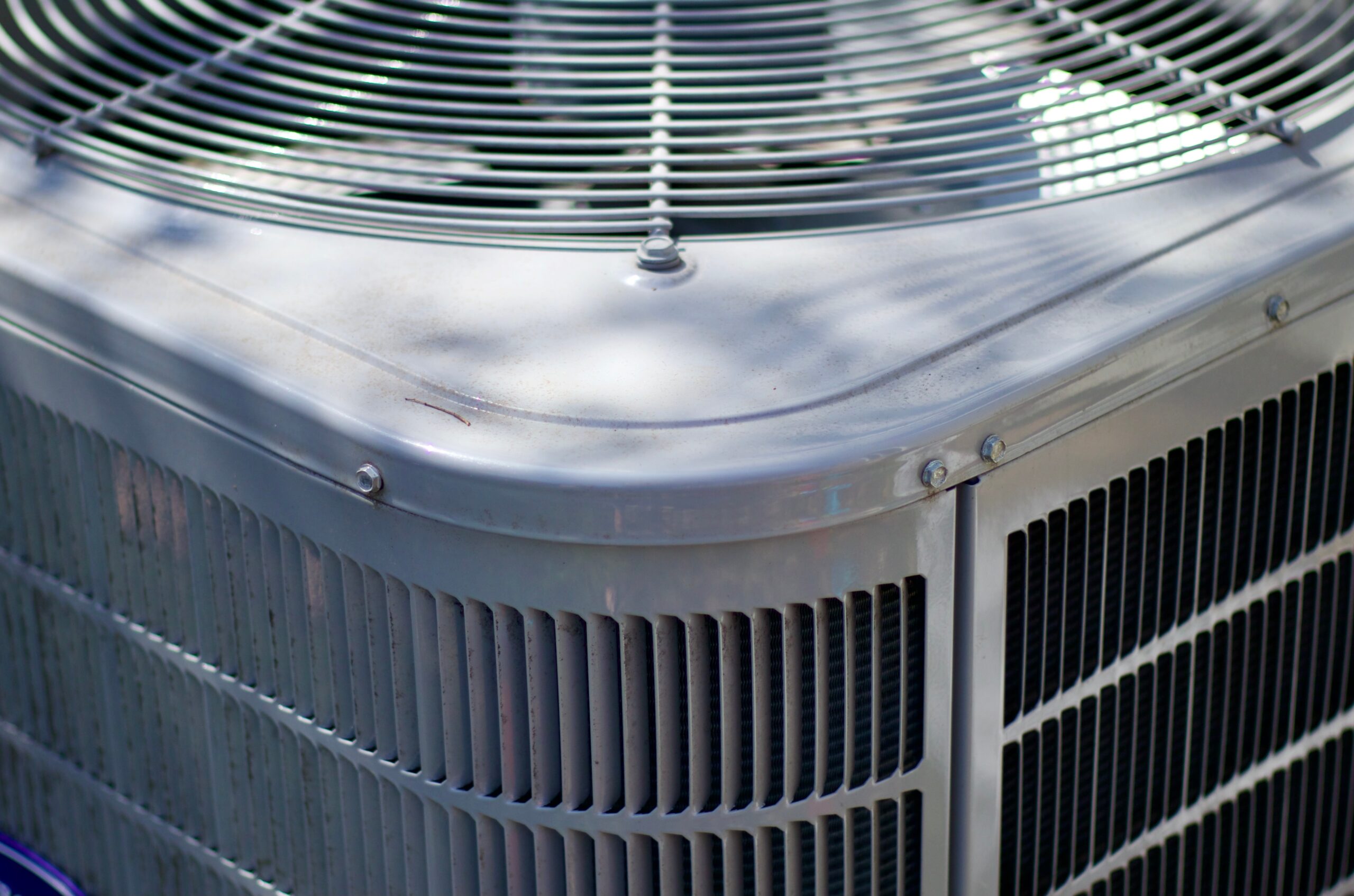
HVAC problems are among the most frequent Maintenance Issues landlords face during a North Carolina summer. Air-conditioning systems may run for long periods each day, which can expose dirty filters, clogged drain lines, worn components, refrigerant problems, and aging equipment.
Landlords should schedule professional HVAC inspections before temperatures reach their peak. Tenants should also be reminded to change air filters regularly and report changes in cooling performance before the system stops working completely.
The U.S. Department of Energy explains that maintaining an air conditioner’s filters, coils, fins, and other components is important for efficient performance. Landlords can review its air conditioner maintenance recommendations for additional guidance.
Talley Properties also shares practical advice for maintaining a rental property’s air-conditioning system during North Carolina’s hottest months.
How does summer humidity affect rental properties?
Humidity can create moisture problems inside bathrooms, kitchens, laundry areas, basements, and crawl spaces. Poor ventilation, plumbing leaks, or air-conditioning problems can allow moisture to build up, potentially leading to mildew, mold, damaged flooring, or stained walls and ceilings.
Landlords should inspect plumbing fixtures, window seals, bathroom exhaust fans, crawl spaces, and other moisture-prone areas. Tenants should be encouraged to report leaks, musty odors, or visible water damage as soon as they notice them.
According to the Environmental Protection Agency’s guide to mold and moisture, controlling moisture is the key to controlling indoor mold growth. Addressing water damage quickly can help prevent a minor issue from becoming a larger repair.
What problems can summer storms cause?
North Carolina summer storms can bring heavy rainfall, strong winds, and lightning. These conditions may reveal roof damage, clogged gutters, loose shingles, damaged siding, poor drainage, or leaks around windows and doors.
Before storm season, landlords should inspect roofs, gutters, downspouts, exterior seals, and nearby tree branches. Gutters should direct water away from the foundation, and any areas where water regularly pools should be addressed.
After a major storm, tenants should know how to report leaks, fallen branches, electrical concerns, or other property damage promptly.
Why are pest problems more noticeable in summer?
Ants, termites, mosquitoes, roaches, wasps, and rodents often become more active during warmer weather. Openings around pipes, doors, windows, roofing, or foundations can give pests easy access to a rental home.
Keeping vegetation trimmed away from the building, sealing exterior gaps, removing standing water, and scheduling pest control when necessary can help reduce infestations. Tenants should also understand the importance of proper food storage and regular trash removal.
Which outdoor areas require summer attention?
Landscaping can grow quickly during the summer, especially after periods of heavy rain. Overgrown grass, shrubs, and tree branches may block walkways, damage siding, attract pests, or interfere with gutters and power lines.
Landlords should also inspect decks, stairs, railings, fences, patios, and sidewalks. Loose boards, unstable railings, damaged steps, and uneven walking surfaces should be repaired before they create safety concerns.
How should landlords respond to summer maintenance emergencies?
Tenants should receive clear instructions explaining whom to contact and what qualifies as an emergency. A broken air conditioner during extreme heat, a major plumbing leak, storm damage, or an electrical problem may require immediate attention.
Having trusted vendors available before an emergency occurs can reduce response times and limit property damage. Landlords can learn more about how property managers handle rental property emergencies and coordinate repairs.
How can landlords prevent major summer Maintenance Issues?
Preventative maintenance is usually less stressful and less expensive than waiting for something to break. Seasonal inspections, prompt tenant communication, reliable contractors, and detailed maintenance records can help landlords stay ahead of common problems.
With preparation and professional support, North Carolina landlords can protect their rental properties, reduce emergency repair costs, and provide tenants with a safer and more comfortable home throughout the summer.