

The Landlord’s Policy Won’t Cover That: Why Renters Insurance Matters
September 15, 2026
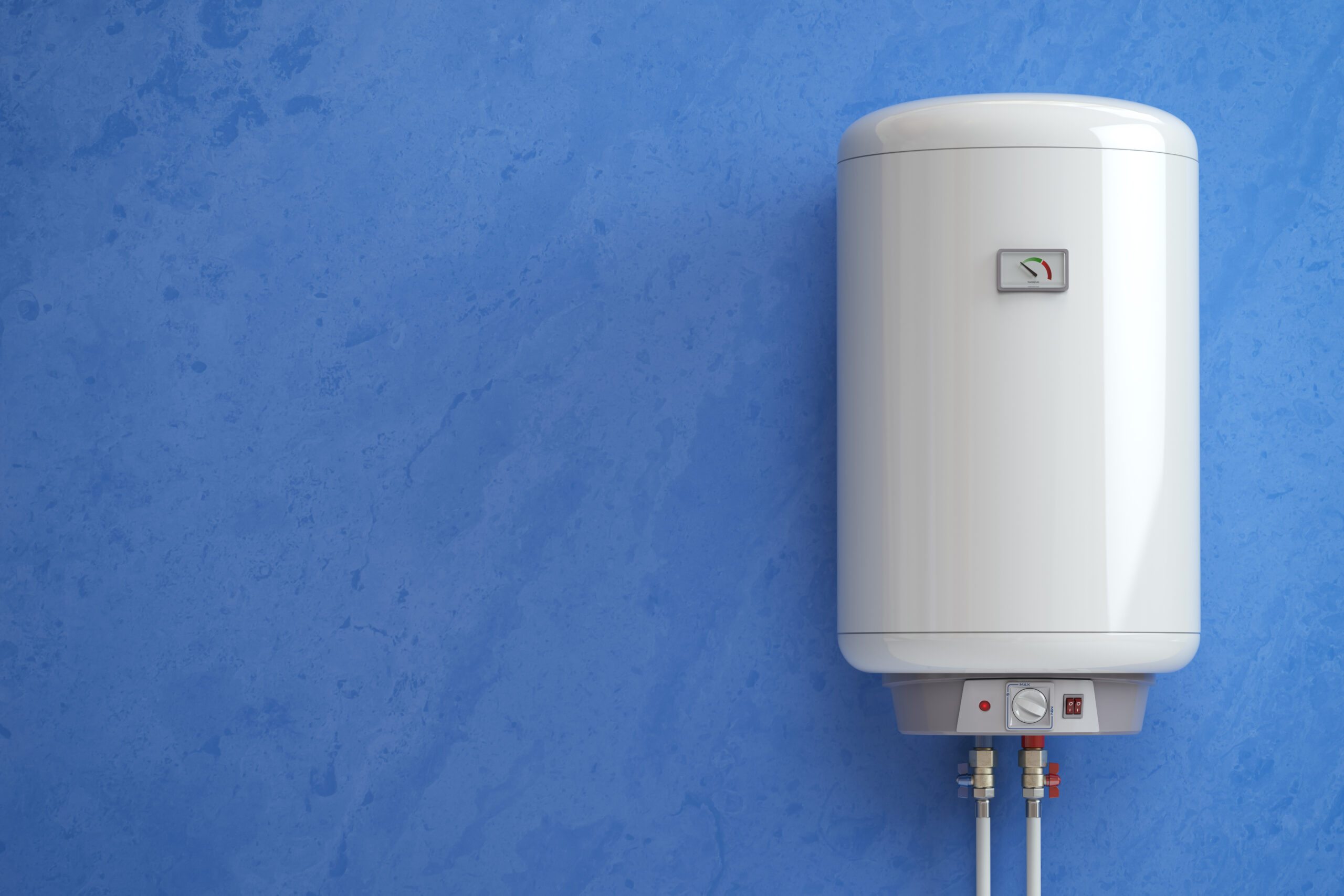
A rental home can produce steady income for years, then demand a costly repair with little warning. A failed water heater or major plumbing leak can place quick pressure on an owner’s budget. A rental property emergency fund creates room to act fast, protect the home, and keep tenants safe.
What is a rental property emergency fund?
It is money set aside for urgent costs tied to a rental home. The fund stays separate from everyday income, so an owner does not have to rely on the next rent payment when a major issue appears.
The goal is simple: make a needed repair without harming personal cash flow. Strong rental property management can help owners track costs and shape the size of that reserve.
An emergency fund gives rental owners time to make a sound choice when a costly problem cannot wait.
Why does a rental property need its own reserve?
Homes need care, even when they are well maintained. Equipment ages; severe weather can cause damage.
Without a reserve, owners may delay work or use high-interest credit. Delayed repairs can allow damage to spread; they may also weaken the tenant’s trust. Ready funds help the owner approve urgent work while keeping the response calm.
How much should a rental owner save?
There is no single amount that fits every property. An older home may need a larger cushion than a newer one. The age of the HVAC system and the owner’s insurance coverage also affect the choice.
Owners can review recent repair bills and the likely cost of replacing major equipment. The reserve should be checked as the property ages or costs rise. A local manager can share real repair data, which helps turn a rough guess into a practical target.
What costs should the emergency fund cover?
The reserve is best used for work that is urgent, unexpected, and needed to protect the home. A sudden loss of heat during cold weather may qualify. A small cosmetic update usually can wait for the planned improvement budget.
Owners should keep clear records of each expense. The IRS explains common rental income and expense topics in Publication 527, though owners should speak with a tax professional about their own return.
Can preventive maintenance reduce emergency costs?
Yes. A reserve prepares an owner for surprise costs, while preventive rental maintenance can lower the chance that small concerns become large ones.
Regular checks may reveal a slow leak or worn HVAC part before either causes a crisis. Prevention will not stop every emergency, but it can reduce avoidable damage.
How does a property manager help during an emergency?
A property manager gives tenants a clear contact and helps judge how fast the issue must be handled. The manager can contact a trusted vendor, document the work, and keep the owner informed.
Talley Properties helps Charlotte-area owners prepare for the costs that come with rental ownership. With steady oversight and clear financial records, owners can protect their investment without facing every surprise alone.
Frequently Asked Questions
Should the emergency fund be separate from rental income?
Yes. A separate reserve makes it easier to see what is available for urgent work and reduces the risk of spending that money elsewhere.
Does landlord insurance replace the need for savings?
No. Coverage depends on the policy, and deductibles still apply. Some repairs may not be covered, so owners should review their policy and keep accessible funds.
Should owners refill the fund after a repair?
Yes. Rebuilding the reserve prepares the property for the next surprise. Owners can add a set amount from future rental income until the target is restored.