
When the Water Heater Fails: Does Your Rental Property Have an Emergency Fund?
September 22, 2026
Rental Property Management: A Clear Plan for Charlotte Owners
October 6, 2026
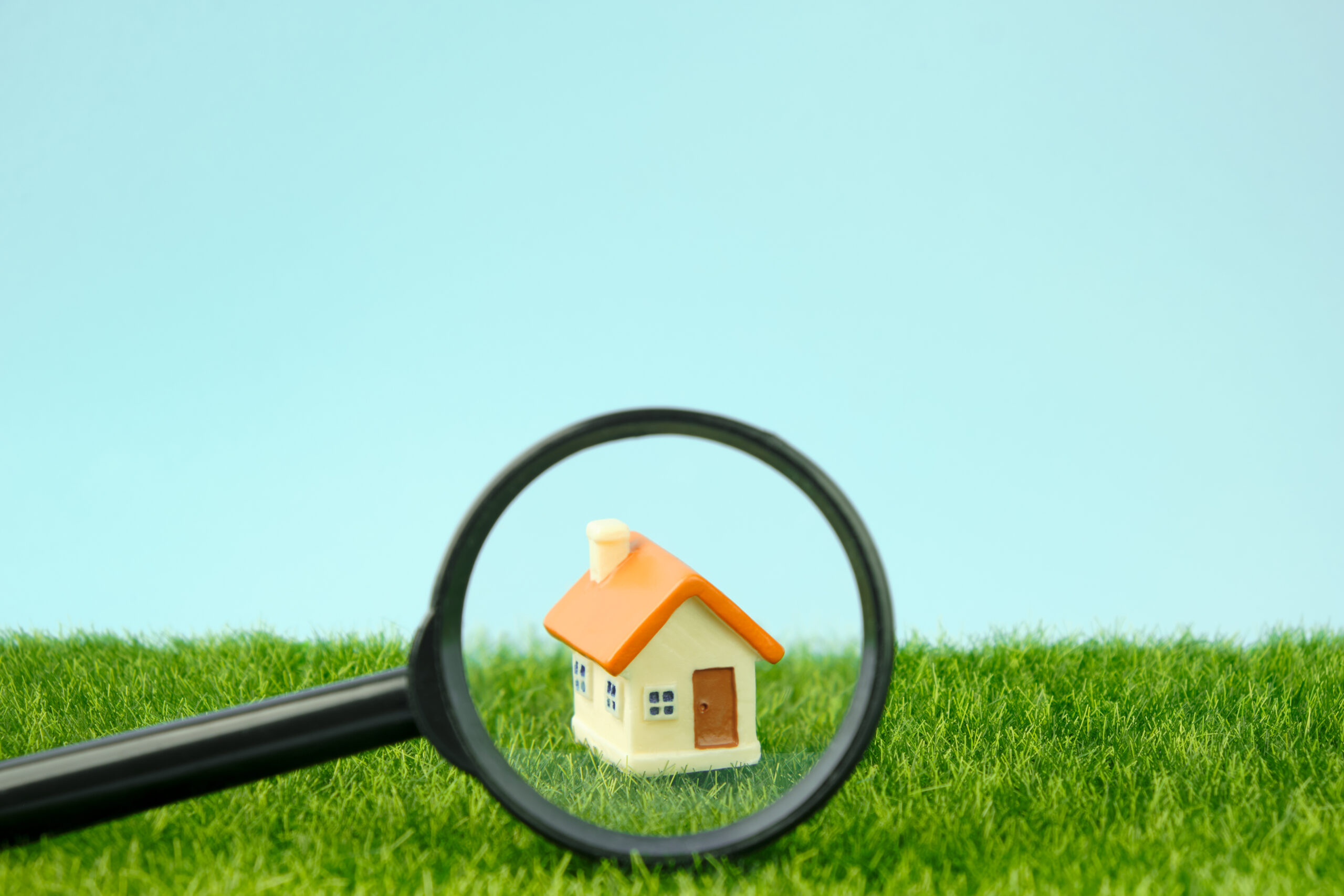
A rental home often shows signs of trouble before a costly repair occurs. A faint stain may point to a leak; a weak air vent may signal an HVAC issue. Routine rental property inspections help Charlotte owners notice those clues early, protect the home, and keep tenants comfortable.
What is a routine rental property inspection?
A routine inspection is a planned review of the home’s condition during a tenancy. It is different from a move-in or move-out check. The goal is to document how the property is holding up and find concerns that need care.
The inspection should follow the lease and applicable law. Tenants should receive proper notice, and the visit should occur at a reasonable time. Clear communication helps the inspection feel respectful instead of disruptive.
Professional rental property management can keep inspections on schedule and create a clear record for the owner.
A routine inspection is a chance to listen to the property, catch early warning signs, and plan repairs with less stress.
What can an inspection reveal?
Some concerns are easy to miss when an owner is not at the property often. A slow drip under a sink may damage a cabinet. Loose seals around a window may let water enter. An overgrown branch may scrape the roof during a storm.
An inspection may also reveal wear that is normal for an occupied home. That distinction matters. Owners need a fair view of the property’s condition so they can plan upkeep without blaming tenants for ordinary use.
Moisture deserves prompt attention because it can support mold growth. The U.S. Environmental Protection Agency provides guidance on mold and moisture control for property owners and residents.
How do inspections help control repair costs?
Small repairs tend to cost less than large ones. Finding a worn hose before it bursts can prevent water damage. Servicing an HVAC system after an early warning may help avoid a sudden loss of heating or cooling.
Routine visits also help owners build a realistic maintenance plan. Instead of reacting to every issue as a surprise, they can rank needed work and budget for future replacements.
This approach works well with preventive rental maintenance. Together, inspections and timely care can extend the useful life of key parts of the home.
Can inspections improve the tenant experience?
Yes, when they are handled with care. Tenants want repairs to be taken seriously. An inspection gives them a set time to point out a concern that may not seem urgent enough for an emergency request.
Owners should explain the purpose of the visit and respect the tenant’s home. The inspector should stay focused on property condition and lease-related concerns. A calm, professional approach can build trust.
Inspections also create a chance to confirm that past repairs worked. Following up shows the tenant that the issue was not forgotten.
How often should a rental property be inspected?
There is no schedule that fits every home. The right timing depends on the lease, the property’s age, and its repair history. Too many visits may feel intrusive; waiting too long may allow hidden damage to grow.
A property manager can set a reasonable schedule and coordinate notices. Talley Properties helps Charlotte-area owners document property condition, respond to repair needs, and protect their investment through steady oversight.
Frequently Asked Questions
Can a landlord enter a rental property without notice?
Entry rights depend on the lease and applicable law. Owners should follow the agreement and use reasonable notice whenever the situation allows.
Should tenants be present during an inspection?
That depends on the lease and the management process. Tenants should receive clear details about the timing and purpose of the visit.
What happens after an inspection finds a problem?
The concern should be documented, assessed, and scheduled based on urgency. The tenant should receive clear updates when the repair affects the home.